

What Happens to Your Pet When You Are Gone? Georgia’s Pet Trust Law Explained
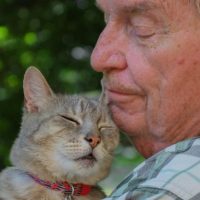
Who will feed the cat at 6 a.m. if you cannot? It is a question that catches most estate planning clients off guard, mostly because pets rarely make it onto the standard checklist of wills, beneficiaries, and powers of attorney. Yet for many Georgia families, a dog or cat is as central to daily life as any spouse or child, and leaving their care to chance seems like an oversight worth correcting.
Georgia lawmakers apparently agreed. Since 2010, state law has allowed residents to create a legally enforceable trust dedicated solely to the care of an animal. The statute, O.C.G.A. § 53-12-28, lets a pet owner set aside money and name a caretaker who is legally bound to use those funds for the animal’s benefit, not their own. It is a narrow but useful tool, and it raises an interesting question: why do so few people use it?
How a Georgia Pet Trust Actually Works
A pet trust functions much like any other trust, with three components: the person creating it, the person managing the funds, and the animal that benefits from it. Unlike a simple line in a will asking someone to “take care of Bella,” a pet trust creates a legal obligation. If the named trustee fails to spend the money as intended, the court can step in and appoint someone else to enforce the trust.
Georgia’s version of the law includes a few features worth understanding before drafting one:
- The trust ends automatically when the last named animal dies, so it cannot be stretched to cover future pets not yet born
- A caretaker or trustee can be named directly, and if none is named, the court may appoint one
- Any money left in the trust after the animal’s death goes wherever the trust document directs, often back to family members or a named charity
- The trust can be created during life or through a will, though one created while the owner is still living tends to activate more smoothly if the owner becomes incapacitated rather than passing away
Questions Worth Asking Before You Draft One
How much money is actually enough? That depends on the animal’s age, breed, and any ongoing medical needs, and it is worth being realistic rather than sentimental about the figure. Who is willing, not just able, to take on daily care? A relative who loves your dog at holiday gatherings may not want that responsibility full time. And should the trust name a backup caretaker in case the first choice cannot serve? Most well drafted trusts do, since circumstances change.
There is also the matter of timing. A trust created only in a will offers no protection if the owner becomes incapacitated but has not yet passed away, a gap some pet owners overlook until someone points it out.
We Can Help You Think This Through
If you have wondered what would happen to your pet without a formal plan in place, you are asking the right question at the right time. As Norcross estate planning attorneys, we spend a fair amount of time on details other firms tend to skip, pet trusts included. Reach out to Bowman Law Firm and let us walk through your options together, starting wherever your questions currently sit.
Source
animallaw.info/statute/ga-trust-care-animal-creation-termination-chapter-12-trusts

